
Gas Fireplaces Require More Than a Visual Check
Gas Fireplace Service in Ocean City for pilot light failures, ignition problems, and burner issues in residential Cape May County homes
Combustion residue, thermocouple wear, and draft inconsistencies inside a gas fireplace do not show up until something stops working—and by then, the heating season is already underway. TLC Plumbing Heating Cooling performs gas fireplace service for homes in Ocean City, Ocean View, and across Cape May County, addressing the mechanical and safety conditions that prevent reliable operation. If your fireplace is failing to ignite, cycling off unexpectedly, or producing a weak or unsteady flame, those are diagnostic indicators, not minor quirks.
Coastal homes in Cape May County deal with salt-air exposure that accelerates corrosion on burner components, igniter electrodes, and gas valve contacts. A service call that only addresses visible symptoms without inspecting those components leaves the underlying condition in place. The work TLC Plumbing Heating Cooling performs includes annual cleaning and safety inspections, pilot light and ignition diagnosis, blower and fan evaluation, and burner repair—each addressed as a distinct service with its own inspection criteria.
Schedule a gas fireplace service call to have your unit inspected before the next heating season begins.
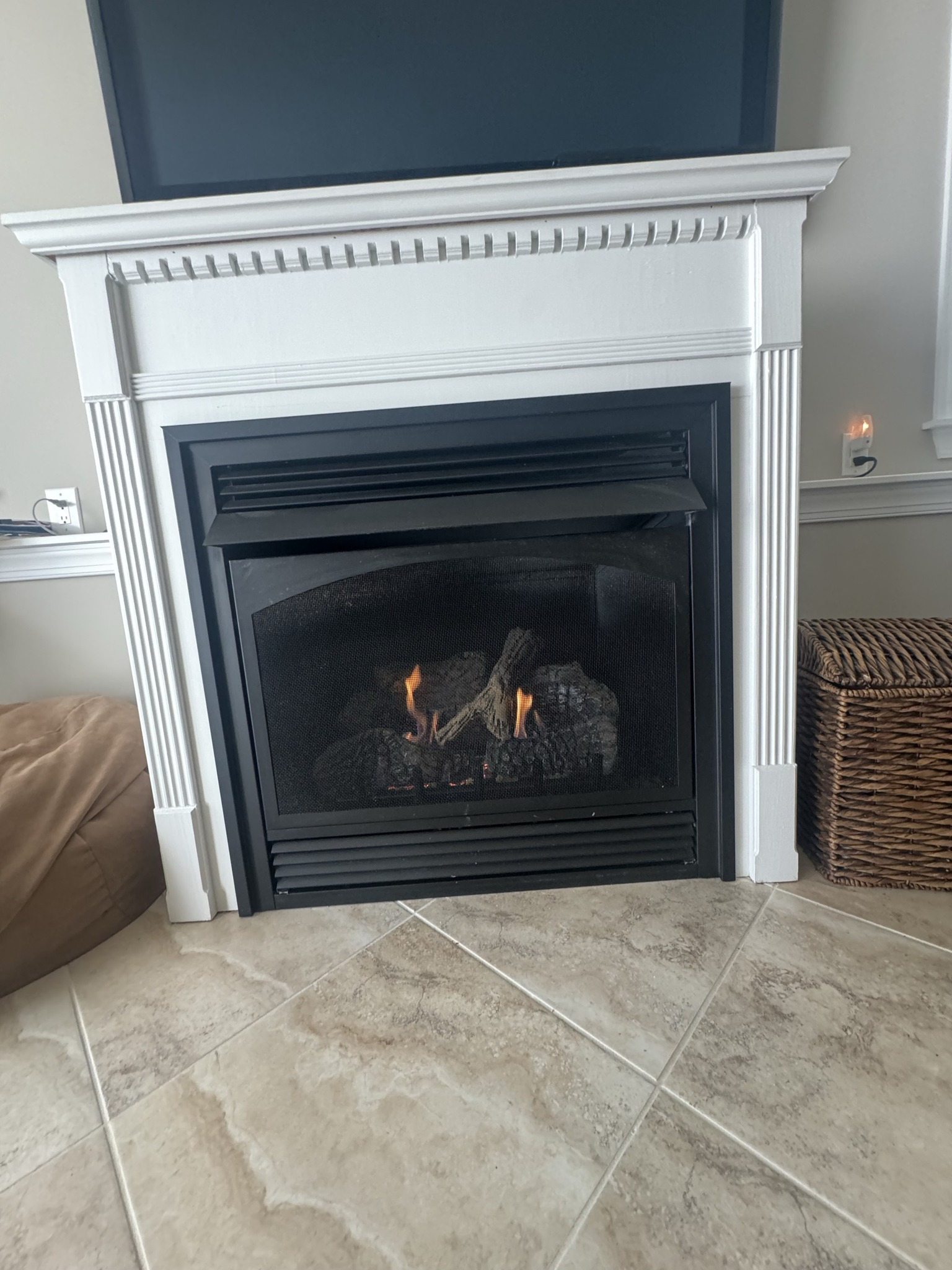
How Gas Fireplace Service Addresses Each System Component
Gas fireplace service is not a single task—it is a structured inspection and repair process broken into the specific systems that control combustion, airflow, and heat distribution. During an annual cleaning and safety check, the technician clears carbon deposits from the burner ports, inspects the heat exchanger for cracks, checks the venting path for obstructions, and verifies that the gas pressure at the valve matches the manufacturer's specification. What you can observe after this is completed: a steady blue flame without yellow tipping, a responsive ignition cycle, and glass panels that stay clear rather than fogging with soot residue.
Pilot light and ignition problems are among the most common service requests TLC Plumbing Heating Cooling handles. A pilot that will not stay lit typically points to a failed thermocouple or thermopile—the sensor that tells the gas valve the pilot flame is present. An ignition that sparks but does not catch often involves a misaligned electrode or a contaminated pilot orifice. After diagnosis and replacement of the relevant component, the ignition sequence completes without repeated manual attempts. Blower and fan problems present differently: reduced heat distribution despite a functioning flame, unusual motor noise, or a fan that runs continuously after the unit shuts off. These point to capacitor failure, a worn motor bearing, or a faulty limit switch rather than anything related to combustion itself. Burner repair involves cleaning or replacing clogged ports that cause uneven flame patterns, and inspecting the gas valve for proper modulation.
The scope of work varies depending on the fireplace brand, model, and the specific symptom reported. Insert units behave differently from built-in fireplaces, and standing pilot systems require different diagnostic steps than electronic ignition models. Knowing the brand and model number before the service call allows the technician to arrive with the correct replacement parts rather than ordering them after the visit.
Questions Before Scheduling Your Fireplace Service
The questions below reflect what homeowners in Cape May County typically ask before scheduling gas fireplace work. Having your fireplace brand, model number, and a clear description of the symptom ready helps the technician prepare for the specific repair needed.
- What should I have ready before the technician arrives? Locate the fireplace brand name and model number—usually on a rating plate inside the firebox or on the back panel—and be prepared to describe exactly what the unit is doing or not doing, including when the problem started and whether it happens every time or intermittently.
- How often does a gas fireplace need a professional cleaning and safety check? Most manufacturers recommend annual service, and in Ocean City's salt-air environment, yearly inspection is particularly important because corrosion on igniter contacts and burner components can develop faster than in inland climates.
- Why does my pilot light keep going out after I light it? A pilot flame that will not stay lit after you release the igniter button almost always indicates a failing thermocouple or thermopile—the sensor has degraded to the point where it no longer generates enough voltage to hold the gas valve open.
- What causes the blower to keep running after the fireplace turns off? A fan that continues running is typically controlled by a limit switch set to shut the motor off once the firebox cools below a threshold temperature; if the switch fails, the blower does not receive the shutoff signal and continues to run.
- How do I know if my burner needs repair versus full replacement? Uneven flame patterns, yellow or orange tipping across sections of the burner, or visible port blockages are indicators that cleaning or partial repair may restore normal function—full burner replacement is typically only necessary when the component is physically damaged or warped from prolonged heat exposure.
TLC Plumbing Heating Cooling schedules gas fireplace service for homes in Ocean City, Ocean View, and throughout Cape May County—contact the office with your fireplace brand, model, and symptom description to arrange a diagnostic appointment.